ليه Doctor’s Guide مهم لأول شغلك؟
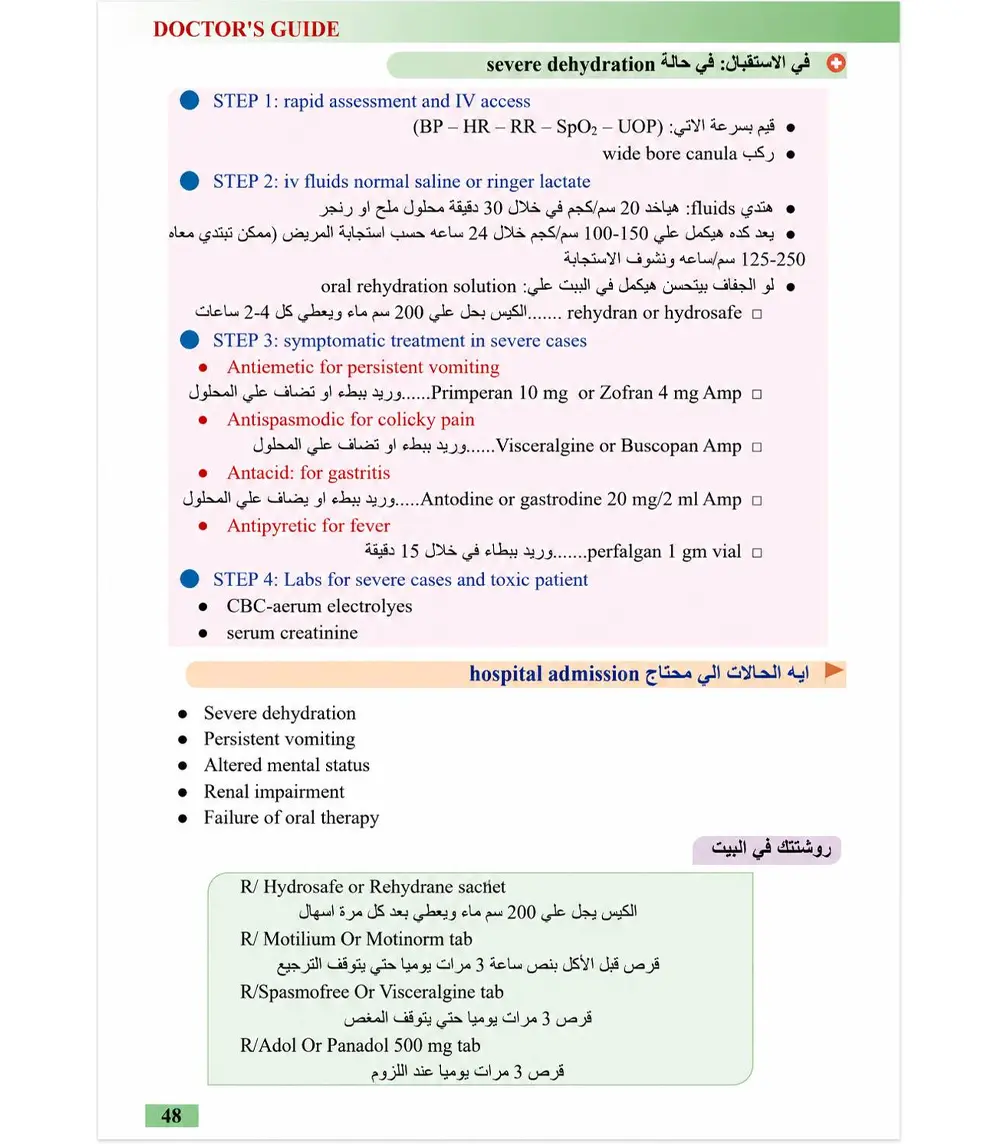
- بيبدأ من الشكوى: نظام واضح تفكر بيه في الشكاوى الشائعة، بنفس الترتيب اللي المريض بيحكيلك بيه.
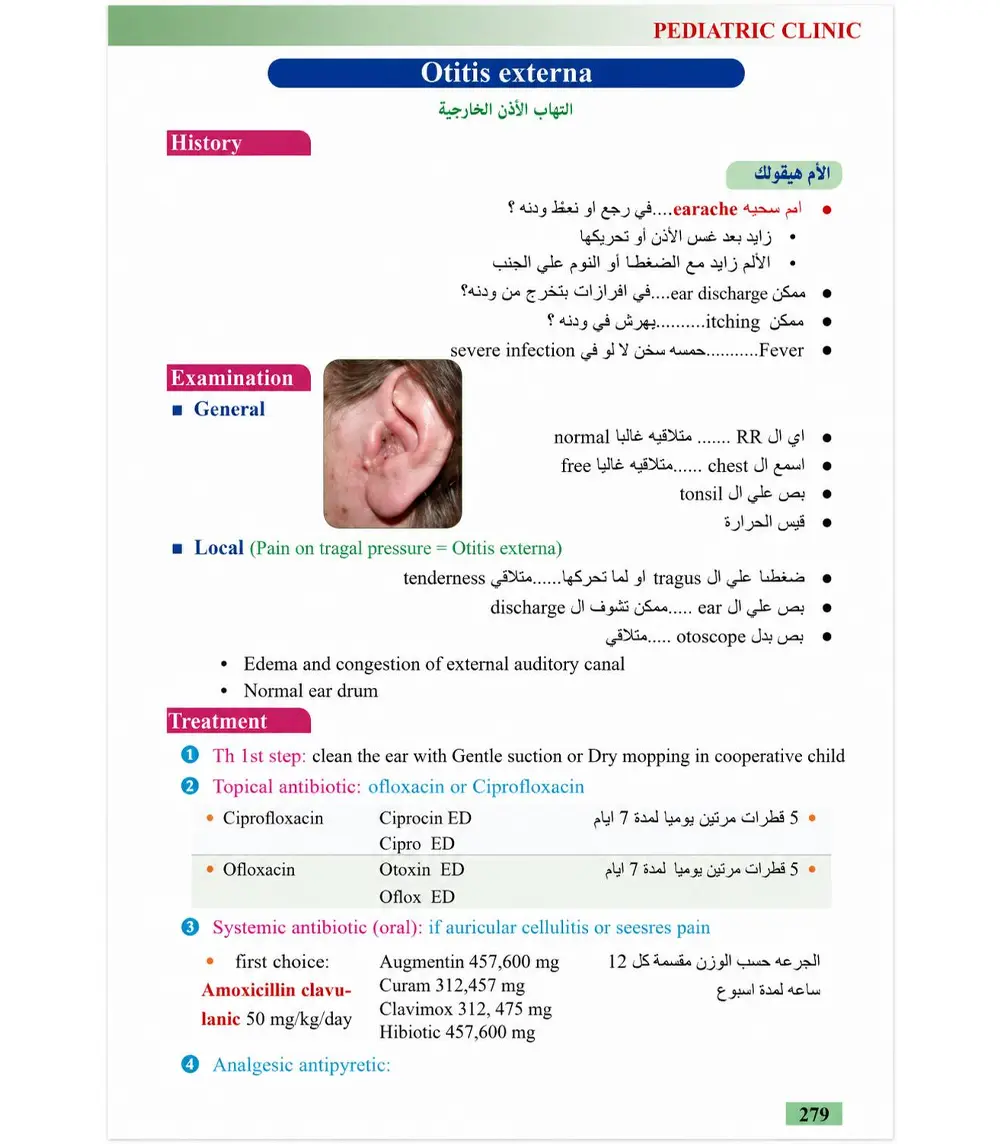
- ترتيب ثابت لكل حالة: History ثم Examination ثم خطة، فمتنساش خطوة وانت مضغوط.
- بيقويك في التشخيص التفريقي: بيدربك تفكر في الاحتمالات المختلفة قبل ما تحكم على الحالة.
- إنجليزي مع توضيح عربي: المصطلحات بالإنجليزي زي ما هتكتبها، والتوضيح العربي بيسهل الفهم السريع.
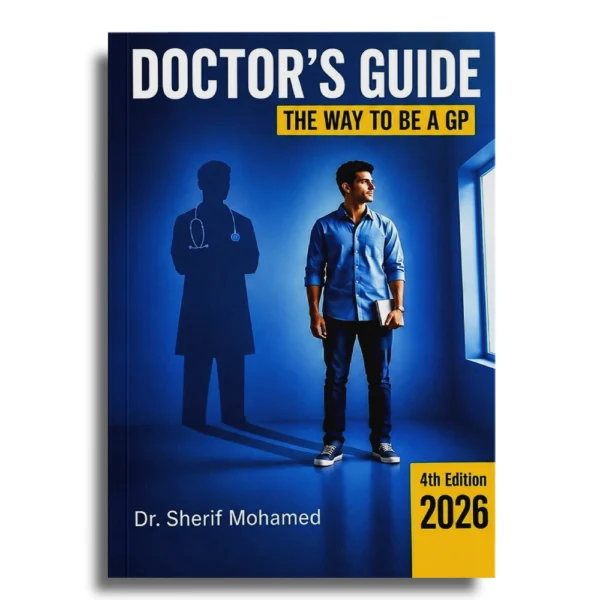
- الطبعة الرابعة 2026: طبعة جديدة بآخر التحديثات.
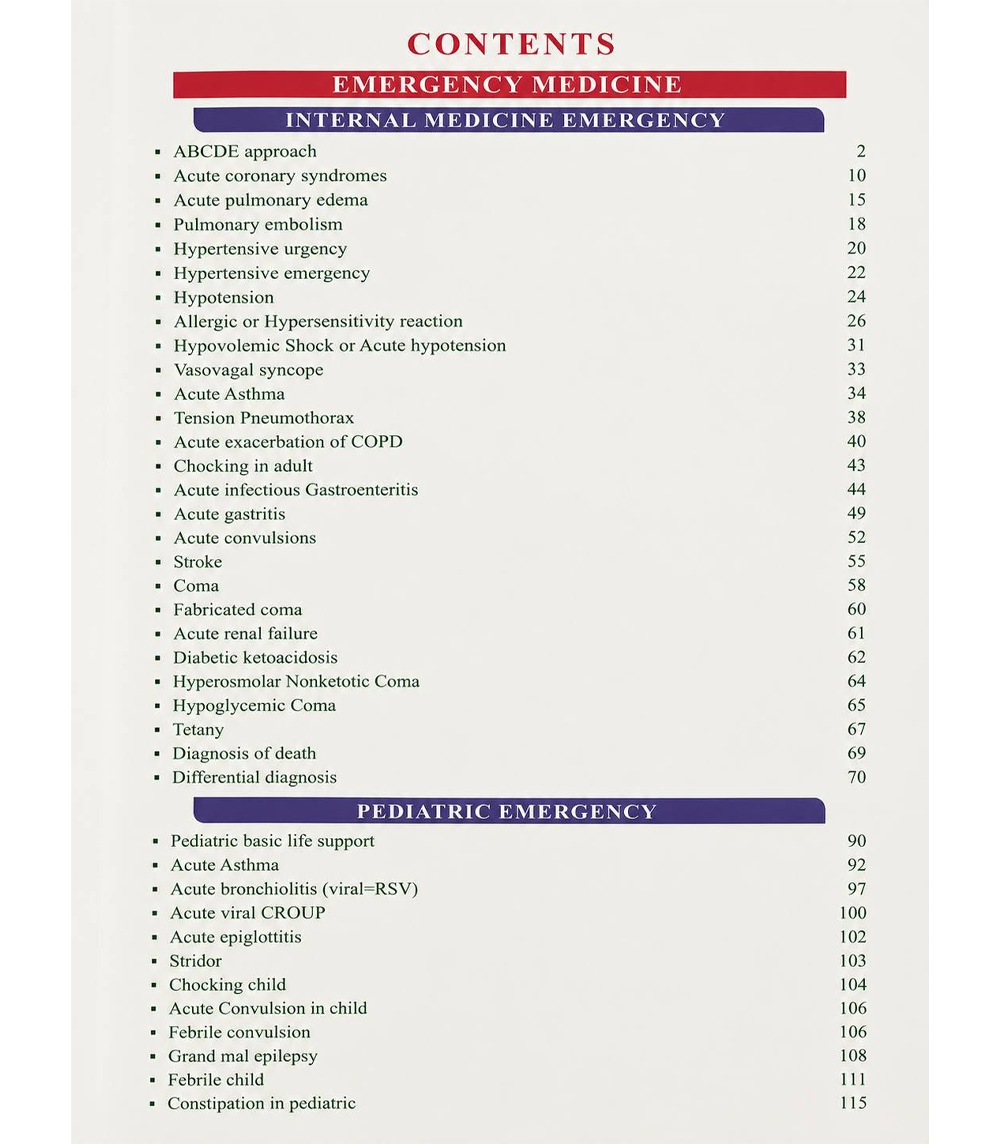
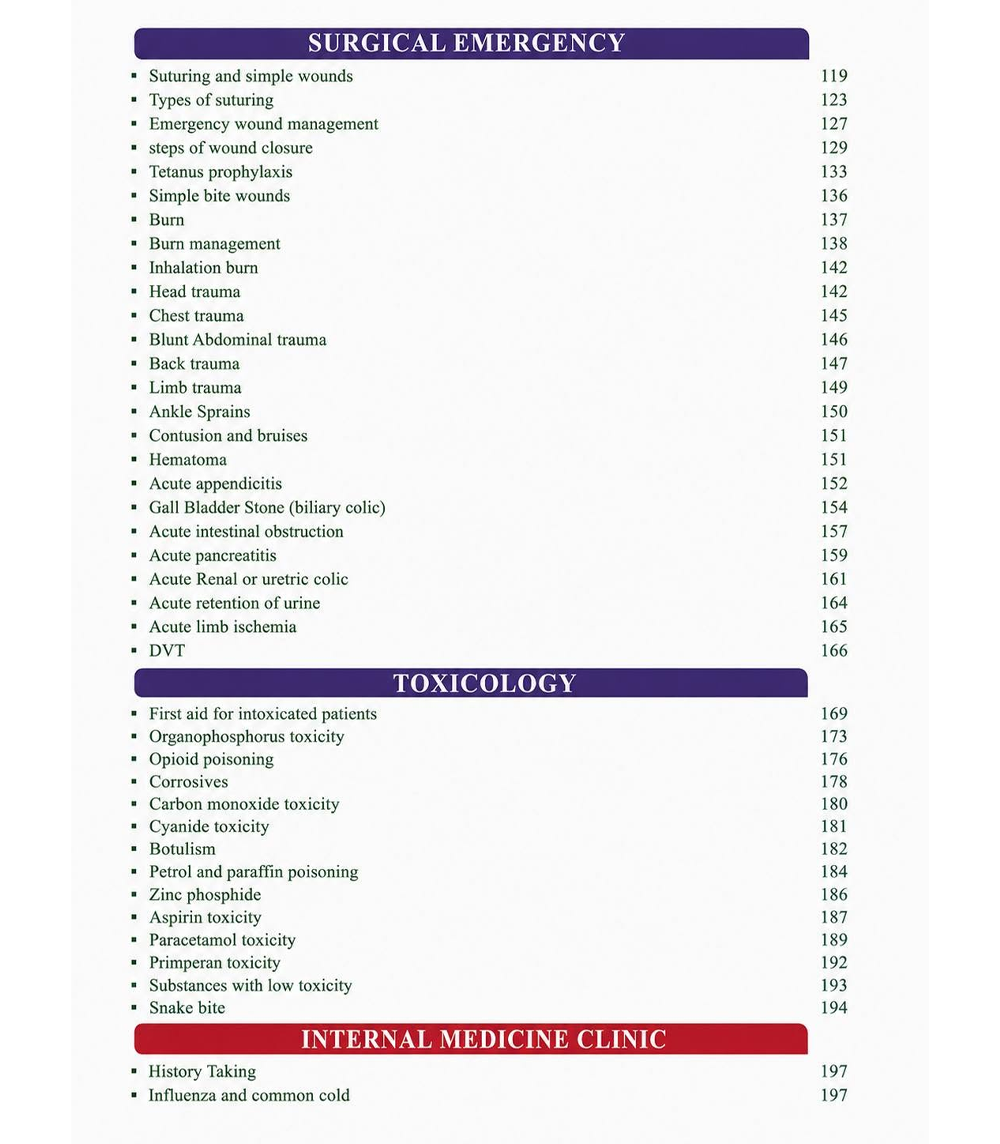
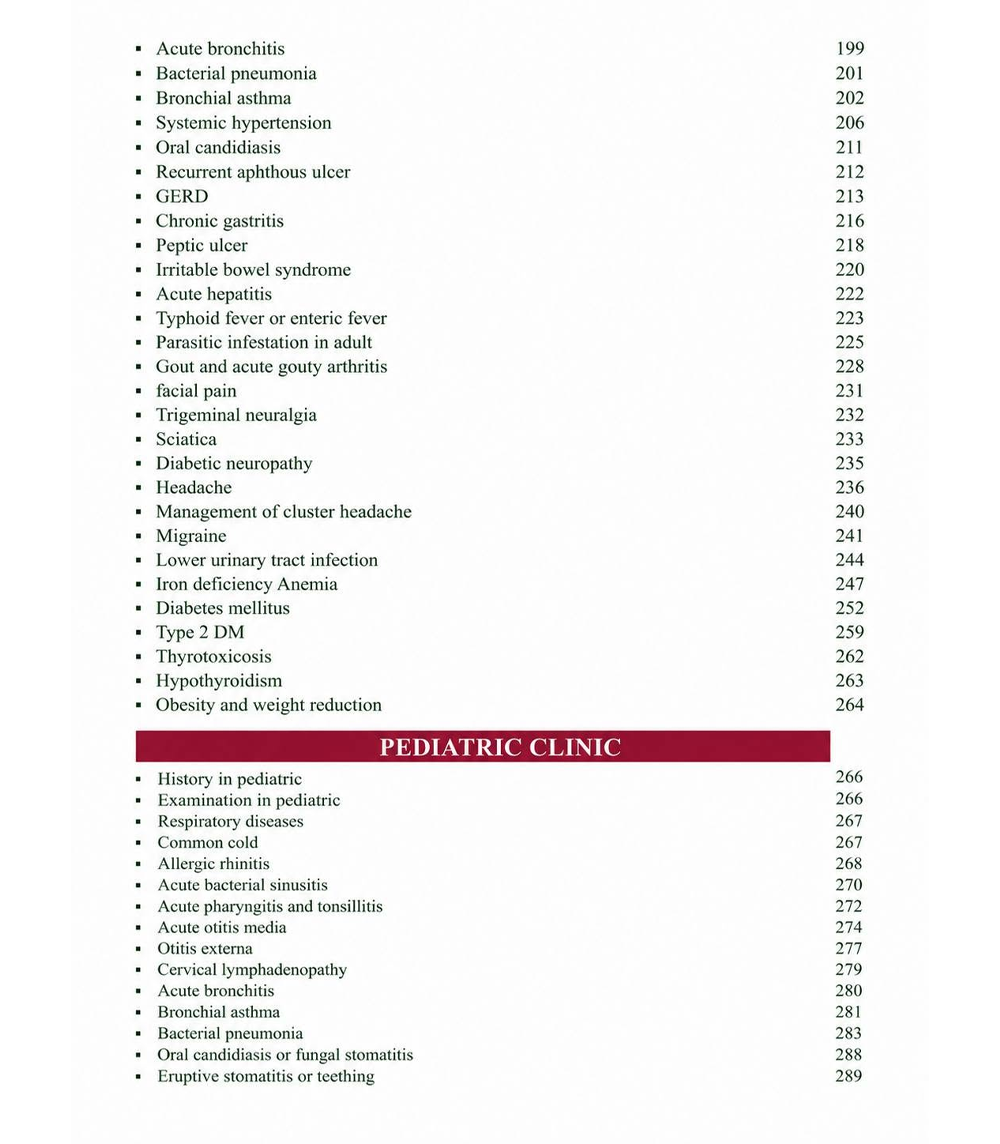
جوه الكتاب هتلاقي إيه؟
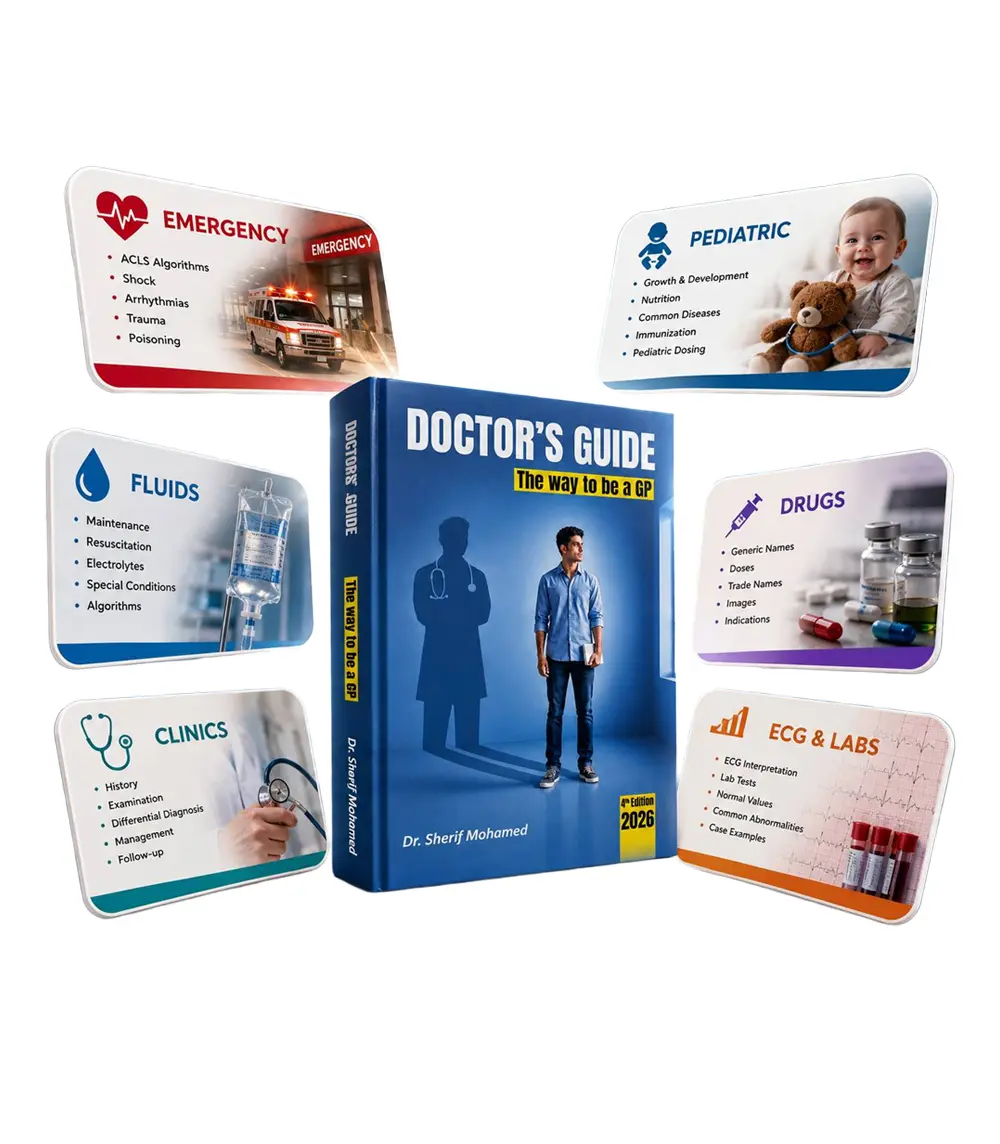
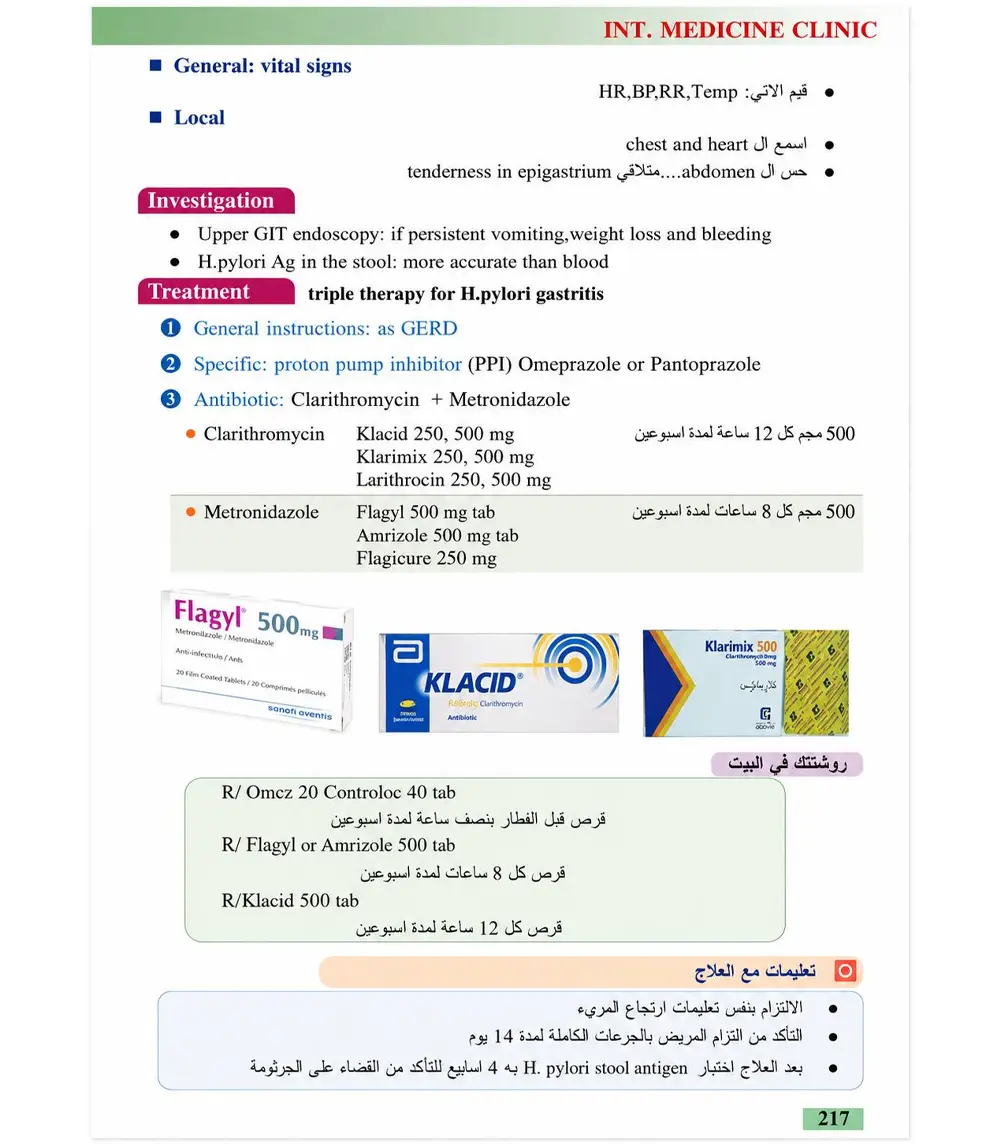
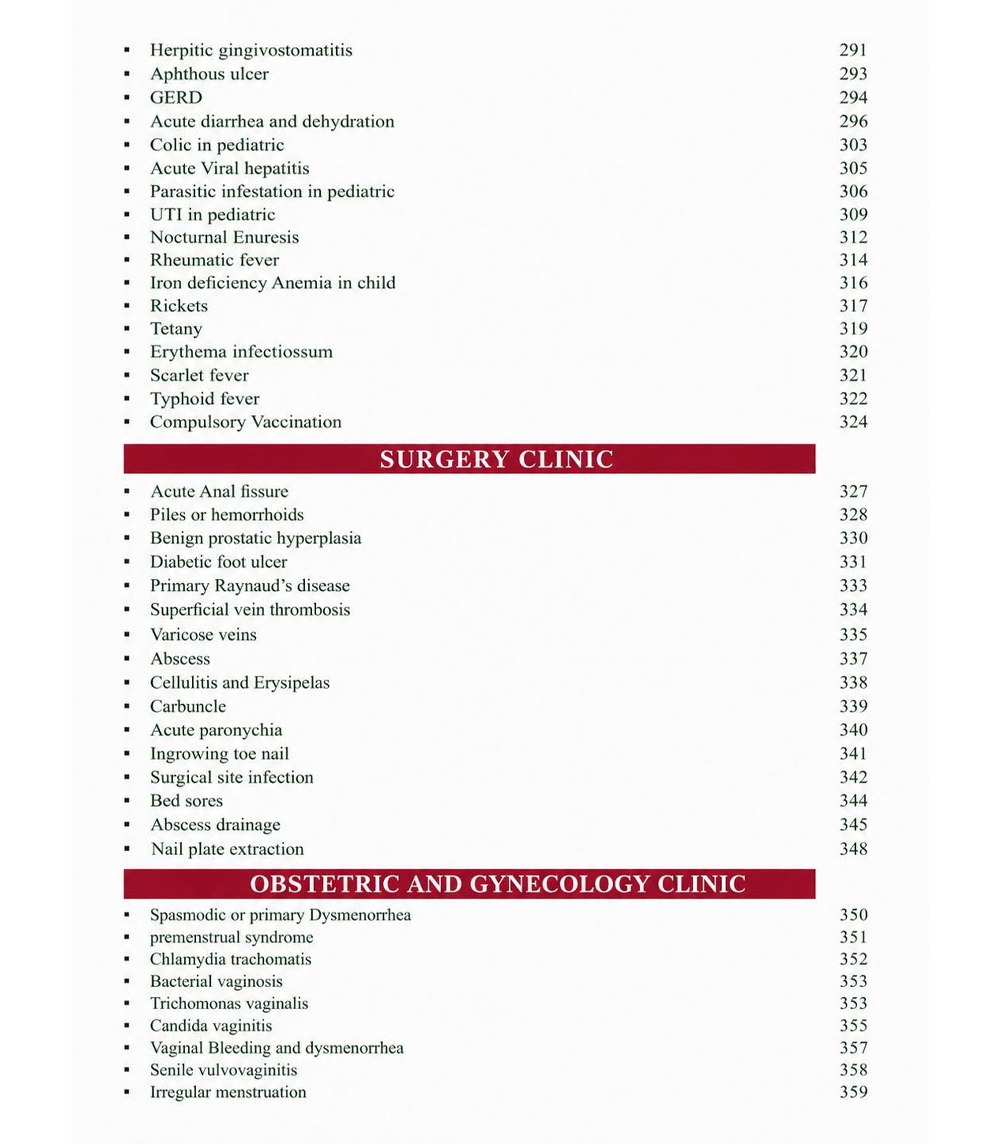
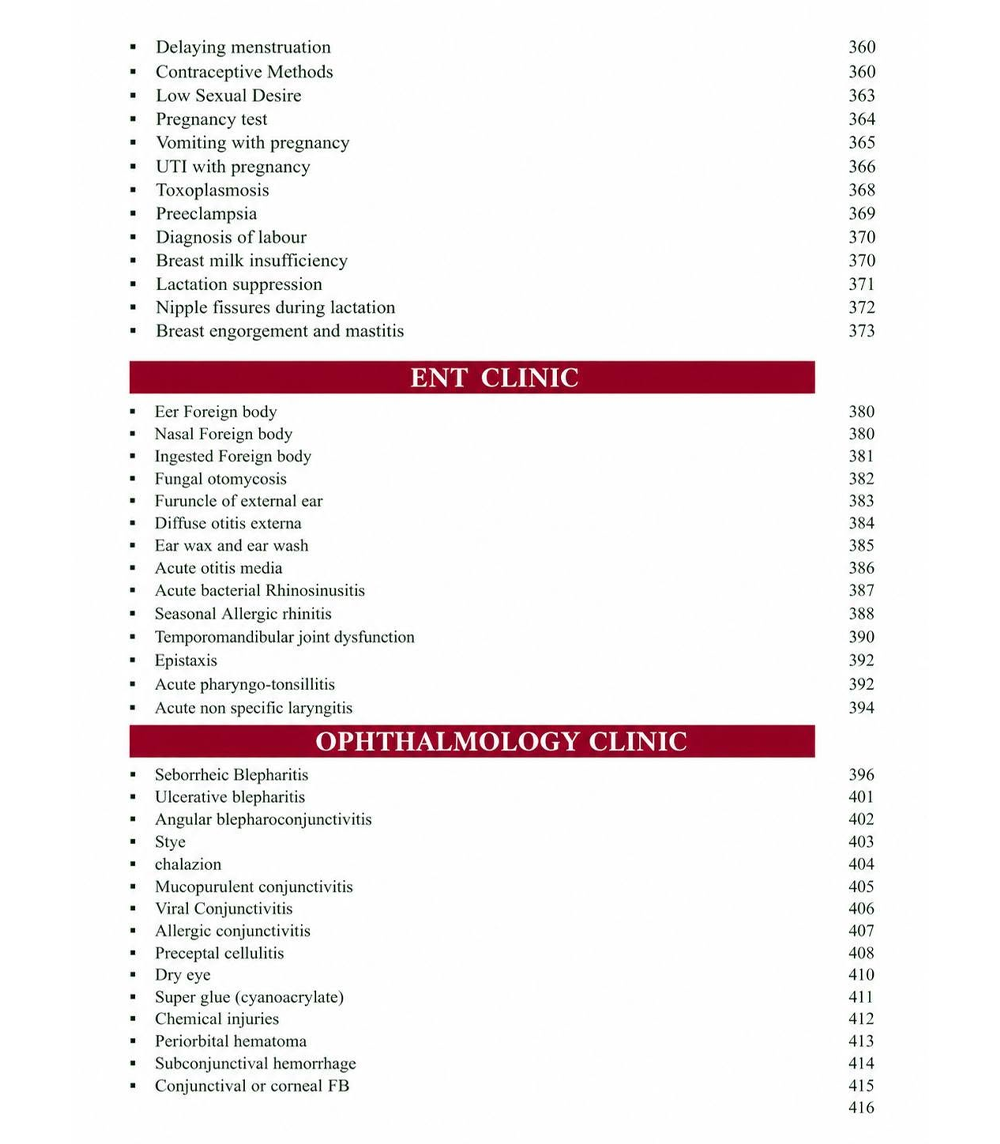
- مشاكل الجهاز التنفسي اللي بتقابلها في العيادة والاستقبال.
- مشاكل الجهاز الهضمي الشائعة.
- الصداع والحرارة والآلام بأنواعها.
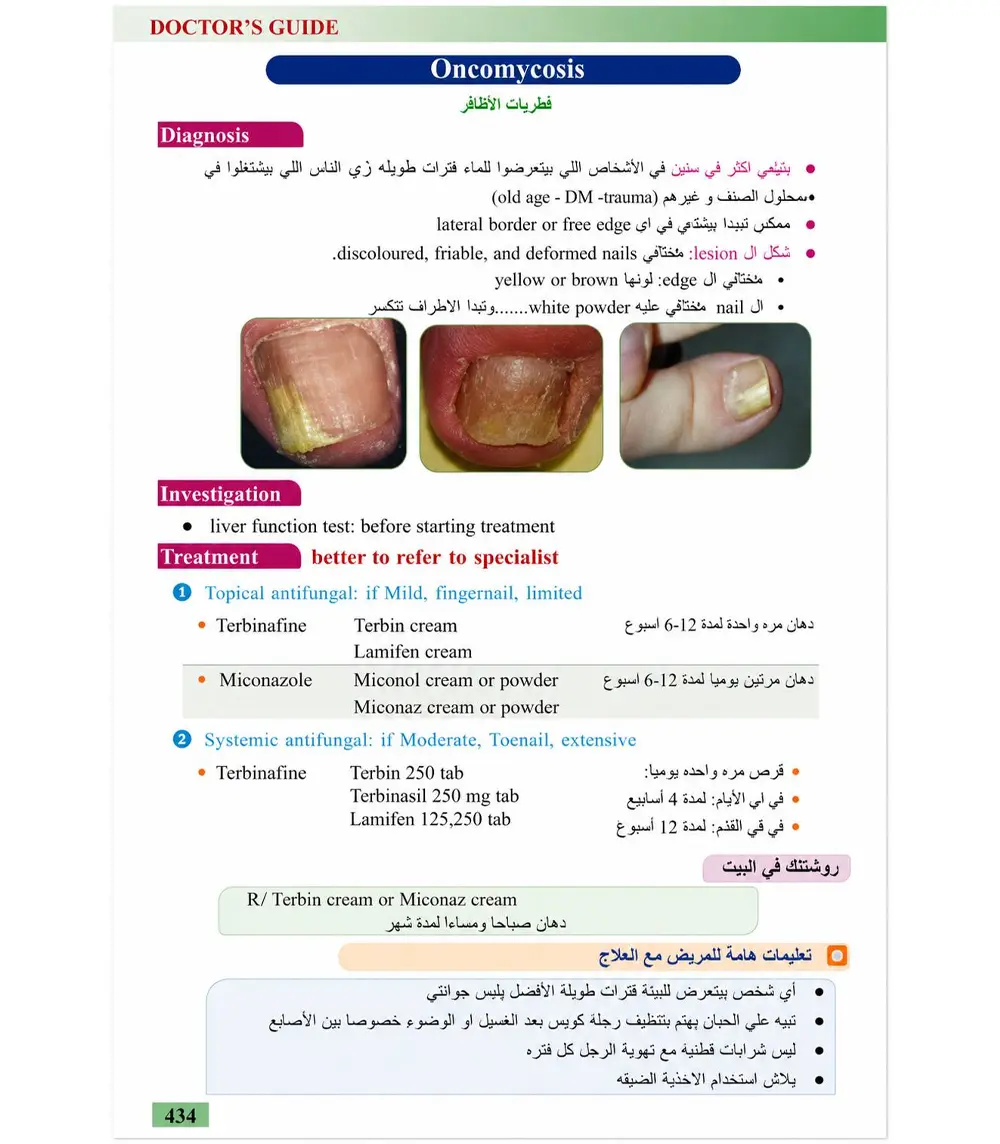
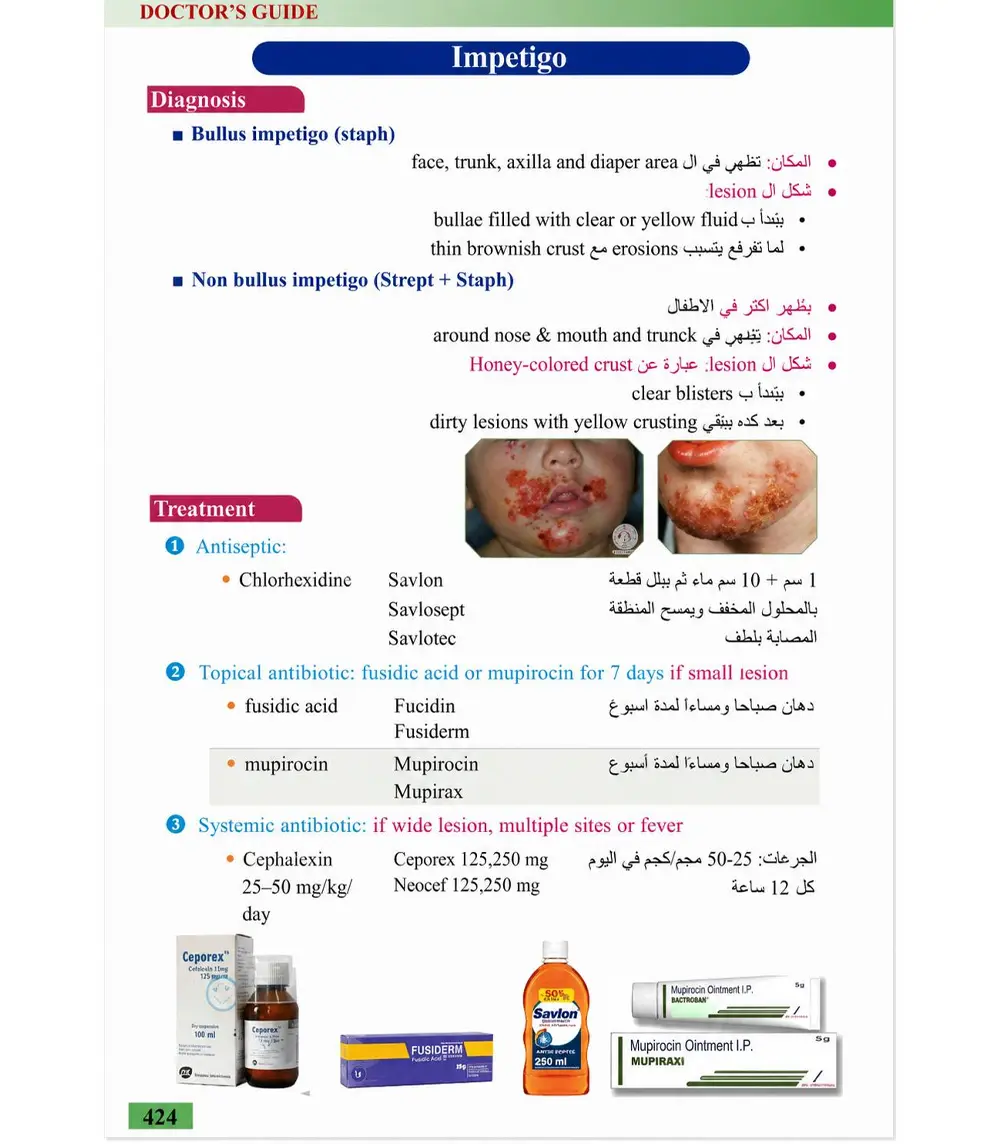
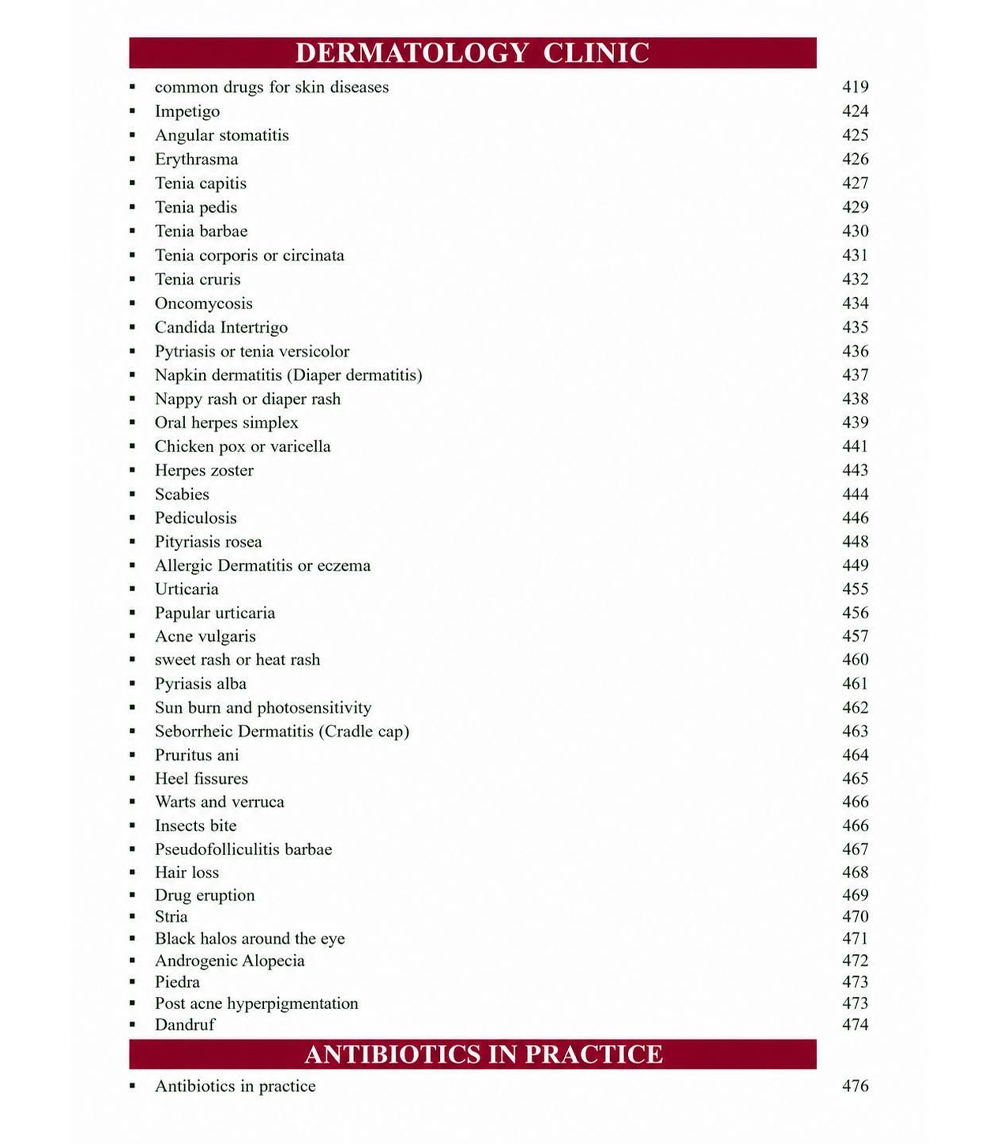
- الحالات الجلدية الشائعة في الممارسة العامة.
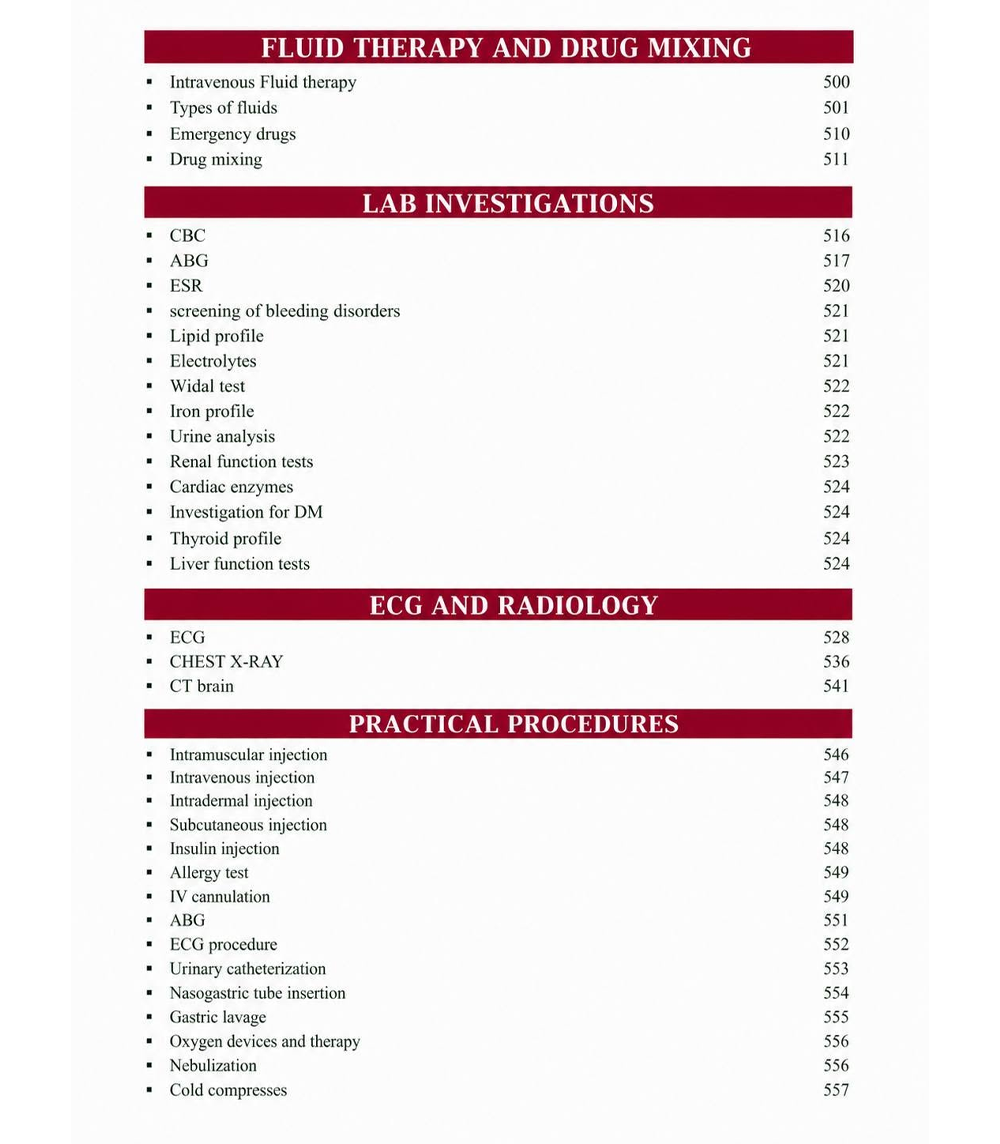
- الأمراض المزمنة ومتابعتها في الرعاية الأولية (Primary care).
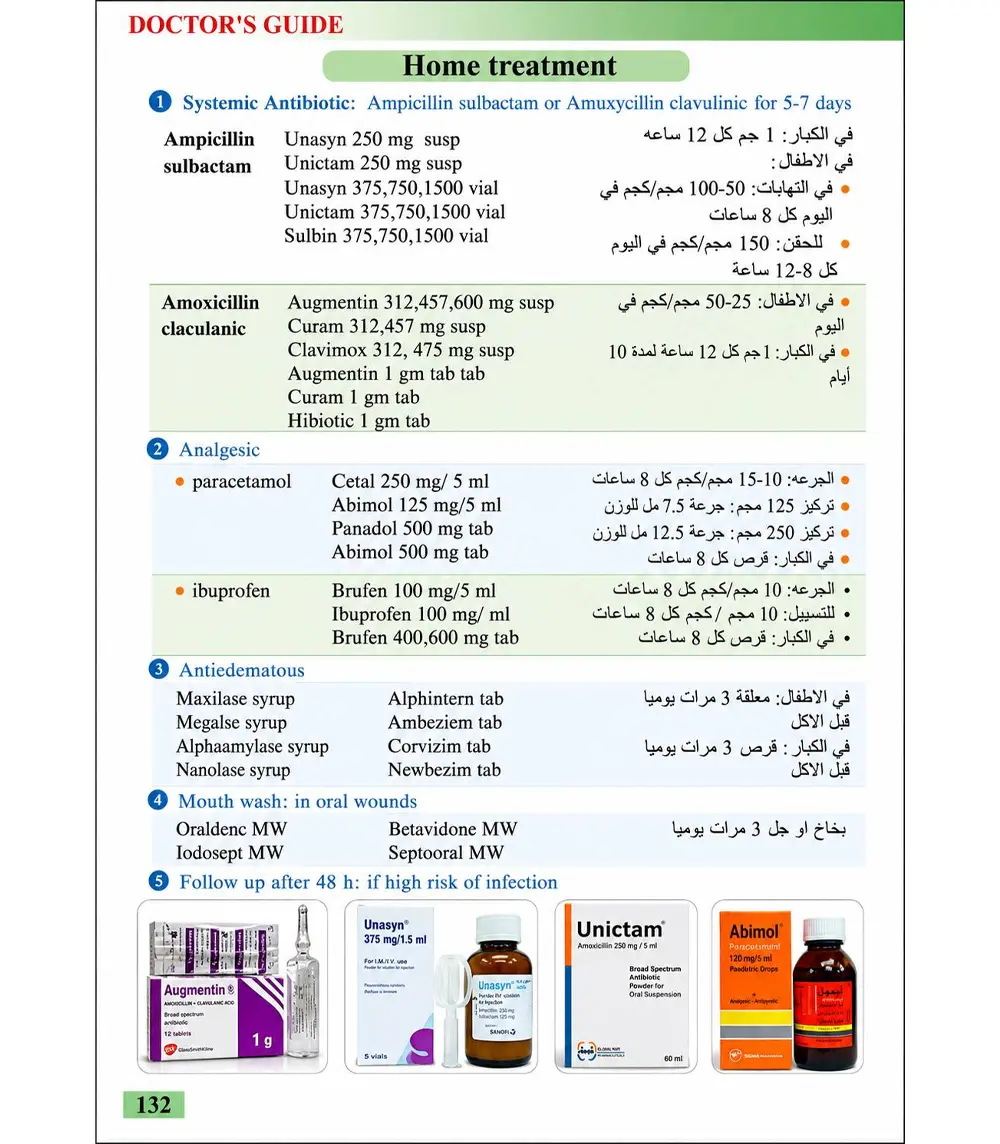
- لكل حالة: تاريخ مرضي وفحص وخطة، مع التشخيص التفريقي.
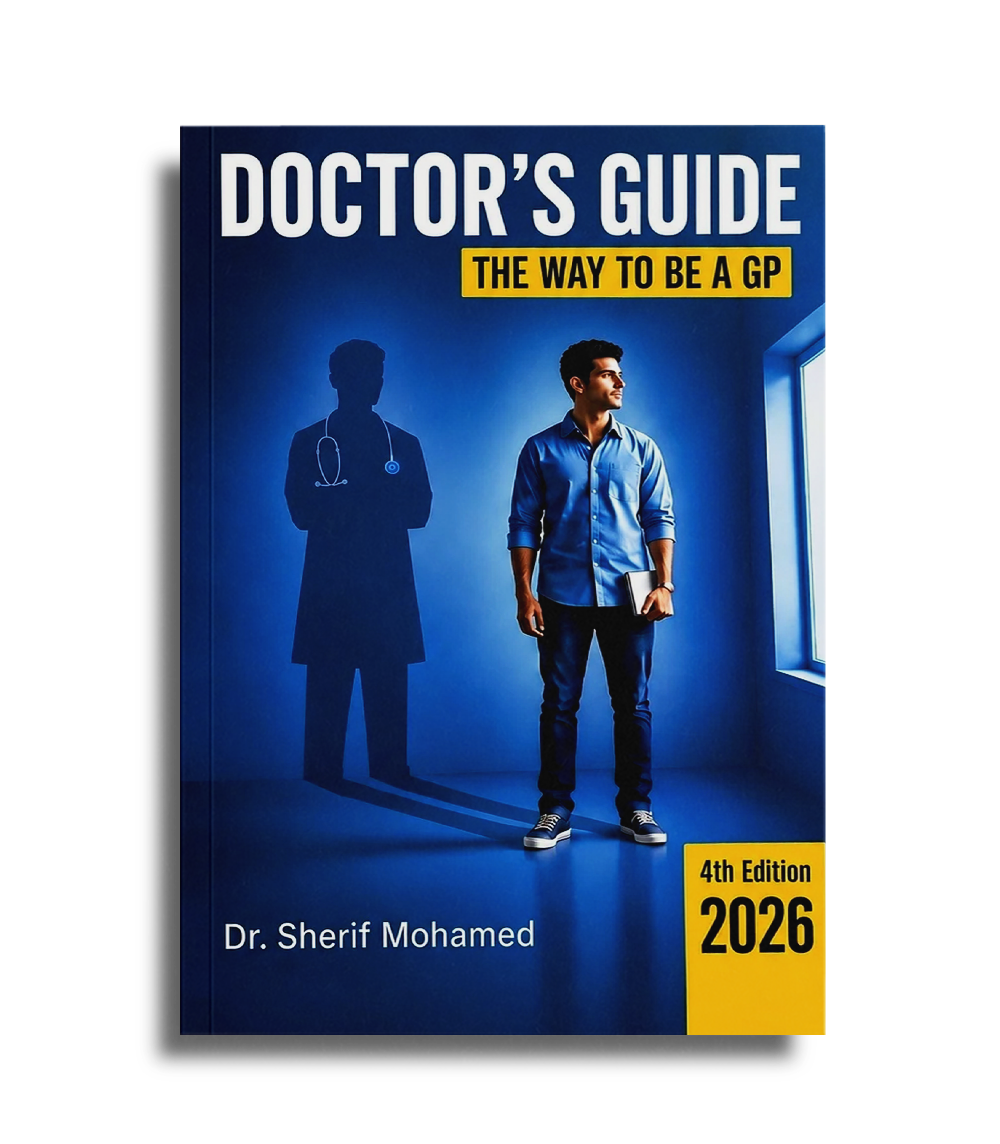
- حوالي 557 صفحة، غلاف Paperback، الطبعة الرابعة 2026.
إزاي تستفيد من Doctor’s Guide صح؟
الكتاب ده مش محتاج تذاكره من الجلدة للجلدة مرة واحدة. أحسن طريقة إنك تمشي بيه بالتوازي مع شغلك أو تدريبك، وتربط كل جزء بحالات حقيقية.
- ابدأ بالشكاوى الأكتر انتشارًا زي الحرارة والكحة وألم البطن، لأنها اللي هتقابلها من أول أسبوع.
- بعد كل نبطشية، اختار حالة شفتها وارجع للجزء بتاعها وقارن طريقة تفكيرك بالترتيب اللي في الكتاب.
- اكتب ملاحظاتك على الهامش: إيه اللي قابلته فعلًا وإيه اللي كان مختلف.
- راجع جزء الأمراض المزمنة قبل ما تمسك عيادة متابعة، علشان تبقى عارف تسأل عن إيه.
أخطاء شائعة في أول سنة ممارسة
- القفز على التاريخ المرضي: أغلب التشخيص بيطلع من أسئلة كويسة، والاستعجال فيها بيضيع عليك معلومات مهمة.
- التفكير في احتمال واحد: لما تحكم بسرعة على الحالة بتنسى التشخيص التفريقي، وده بالظبط اللي الكتاب بيدربك عليه.
- إهمال المتابعة: الأمراض المزمنة محتاجة خطة متابعة واضحة، مش روشتة وخلاص.
- الاعتماد على الكتاب لوحده: الدليل بيرتب تفكيرك، لكن الرجوع للأخصائي وبروتوكولات المكان اللي بتشتغل فيه أساسي.
هيفيدك في إيه بعد الامتياز؟
اللي بتتعلمه من Doctor’s Guide مش مرتبط بسنة واحدة. طريقة التفكير المنظمة في الشكوى بتفضل معاك في أي تخصص، سواء كملت في الممارسة العامة أو طب الأسرة أو اتجهت لتخصص تاني. وكل ما تشوف حالات أكتر، هتلاقي نفسك بترجع للكتاب علشان تراجع ترتيب جزء معين مش علشان تتعلمه من الأول.
- عيادة ممارس عام أو طب أسرة: هتلاقي أغلب الشكاوى اليومية متغطية بنفس الترتيب.
- نبطشيات الاستقبال: الترتيب الثابت بيخليك أسرع وأهدى وقت الزحمة.
- الدراسات العليا: أساس إكلينيكي كويس قبل ما تتعمق في تخصص معين.
أسئلة بتتكرر عن Doctor’s Guide
هل doctor guide book متوفر PDF؟
لأ، إحنا بنبيع النسخة المطبوعة الأصلية بس. كتاب مرجعي في حجم 557 صفحة أريح بكتير على الورق، وبتقدر تعلّم على الحالات اللي بترجعلها كتير.
Doctor’s Guide الطبعة كام؟
دي الطبعة الرابعة (4th Edition)، سنة 2026، في حوالي 557 صفحة.
الكتاب بالعربي ولا الإنجليزي؟
بالإنجليزي مع توضيح بالعربي، علشان المصطلحات تفضل زي ما هتكتبها، والفكرة توصلك أسرع.
إيه معنى The Way to be a GP في اسم الكتاب؟
ده العنوان الكامل للكتاب: Doctor’s Guide – The Way to be a GP، وبيوضح هدفه إنه يجهزك لشغل الممارس العام في العيادة والاستقبال.
كتاب doctor guide مناسب لطالب في الكلية؟
أيوه، خصوصًا في السنين الإكلينيكية والسنة الأخيرة. هيساعدك تربط اللي بتذاكره بالشكاوى اللي بتشوفها في الكشف.
الكتاب فيه طوارئ ولا عيادة بس؟
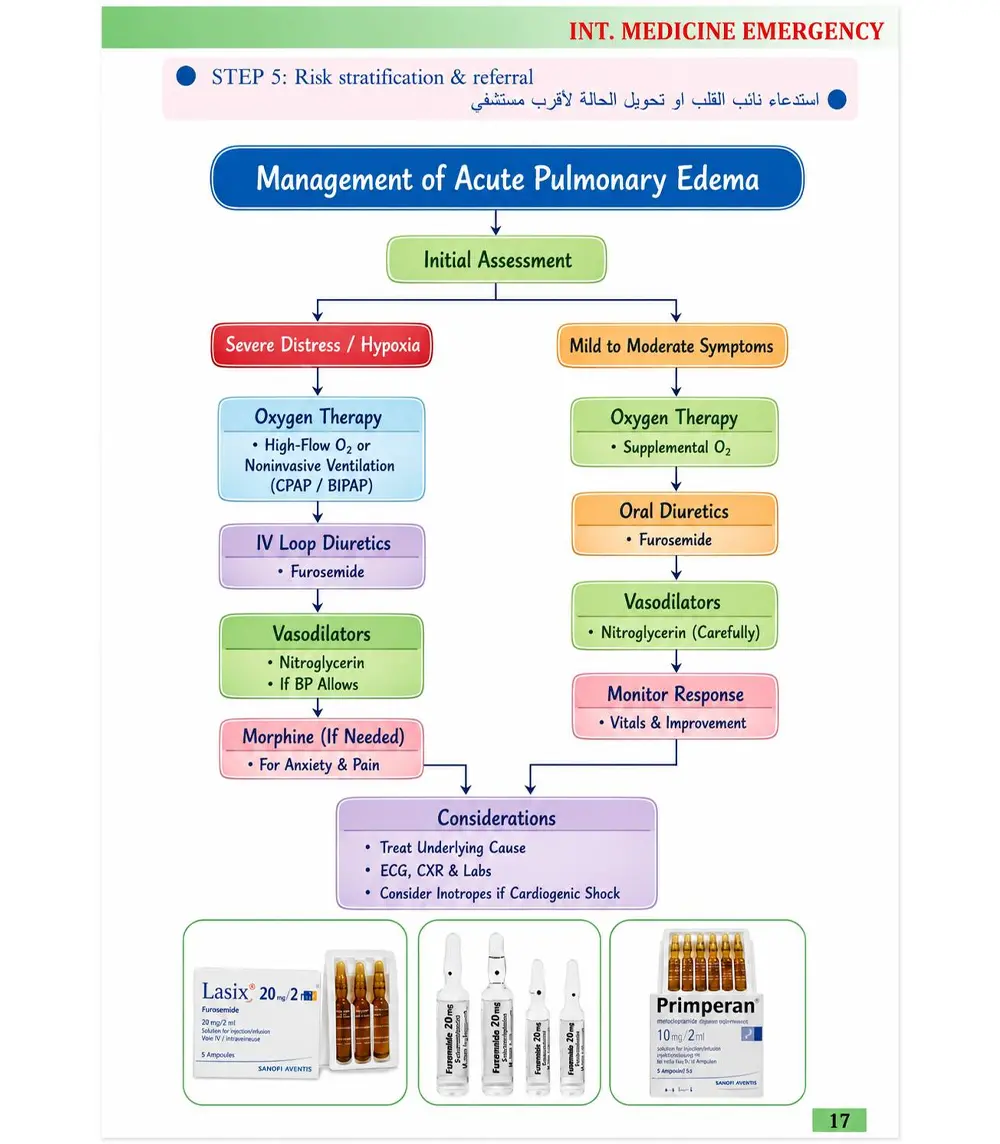
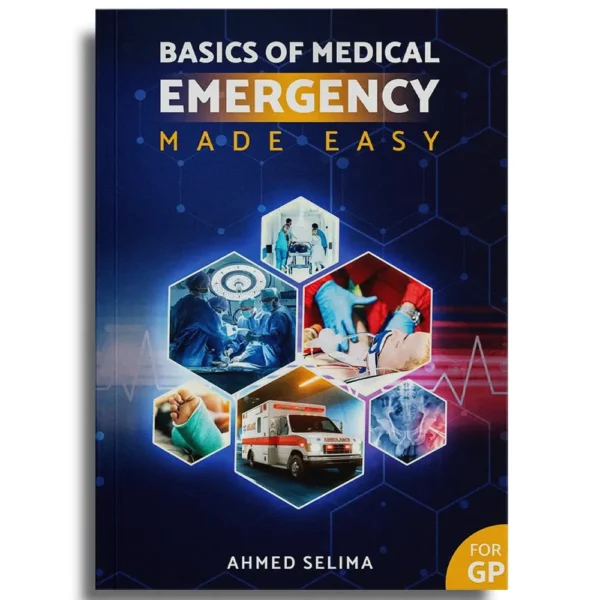
تركيزه على الممارسة العامة والاستقبال والشكاوى الشائعة والأمراض المزمنة. لو عاوز تركيز أكبر على الحالات الحرجة، Basics of Medical Emergency اختيار مكمل ليه.
أبدأ بيه إمتى؟
أحسن توقيت قبل الامتياز بشهر أو اتنين، أو في أول أسابيع الامتياز. اقرا الشكاوى الشائعة الأول، وسيب باقي الأجزاء ترجعلها مع الحالات.
مناسب للصيادلة؟
الكتاب معمول أساسًا للأطباء والممارس العام، بس الصيدلي اللي عاوز يفهم طريقة تفكير الطبيب في الشكاوى الشائعة ممكن يستفيد من ترتيبه.
الكتاب بيغطي الحالات الجلدية؟
أيوه، فيه جزء للحالات الجلدية الشائعة اللي بتقابلها في الممارسة العامة، جنب مشاكل الجهاز التنفسي والهضمي والصداع والحرارة والآلام. وده بيساعدك ترتب تفكيرك في الشكوى المبدئية، ودايمًا ارجع للأخصائي لو الحالة محتاجة تقييم أدق.
فين أشتري Doctor’s Guide في مصر؟
من طبيب مارت: النسخة المطبوعة الأصلية من الطبعة الرابعة، مع توصيل لكل محافظات مصر خلال 1–3 أيام عمل، وسعر الشحن بيظهرلك قبل ما تأكد الطلب.
هل دي doctor guide 2026 ولا نسخة 2025؟
دي الطبعة الرابعة (4th Edition) سنة 2026، في حوالي 557 صفحة، وده المكتوب في بيانات الكتاب فوق.
إيه الفرق بين Doctor’s Guide و Med Guide؟
Doctor’s Guide بيركز على العيادة والاستقبال والشكاوى الشائعة بترتيب History ثم Examination ثم خطة، أما Med Guide للدكتور محمد نصر مصباح فتركيزه أكبر على العناية المركزة. المقارنة الكاملة في Doctor’s Guide ولا Med Guide.






 توصيل لكل المحافظات
  منتجات أصلية
  دفع آمن



د. اياد –
نسخة اصلية – توصيل سريع
شكرا ليكم جدا وبنتمني عرض المزيد من الكتب القيمة
عبدالرحمن شفيق صالح السيد هراس (عميل موَثَّق) –
⭐⭐⭐⭐
Abdallah Hany (عميل موَثَّق) –
⭐⭐⭐⭐⭐
Abdallah Hany (عميل موَثَّق) –
⭐⭐⭐⭐⭐
احمد حوام (عميل موَثَّق) –
⭐⭐⭐⭐⭐
اسلام محمد رجاء (عميل موَثَّق) –
⭐⭐⭐⭐⭐